The Social Commerce Revolution Reshaping Digital Marketplaces

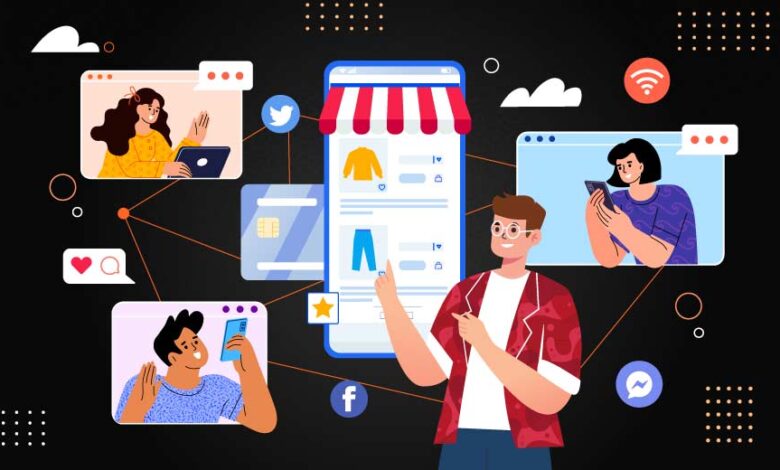

The digital marketplace, once a sterile environment of search bars, shopping carts, and transactional emails, is undergoing a profound metamorphosis. The era of simply clicking “add to cart” is rapidly evolving into an immersive, community-driven experience. This transformation is being spearheaded by the explosive growth of social commerce, a powerful fusion of social media interaction and online shopping that is fundamentally rewriting the rules of e-commerce. It is not merely about selling on social media; it is about integrating commerce so seamlessly into the social fabric that the line between discovering a product and purchasing it dissolves entirely. This is not a fleeting trend but a fundamental redesign of how consumers connect with brands and make purchasing decisions in the digital age.
For publishers and content creators focused on Google AdSense and SEO, understanding this shift is paramount. The keywords, user intent, and content formats that drive traffic are evolving. This article delves deep into the social commerce revolution, exploring its core drivers, its transformative impact on consumer behavior, the key players shaping the landscape, and the strategic roadmap for businesses and creators aiming to thrive in this new, socially-charged marketplace.
A. Deconstructing Social Commerce: Beyond the “Buy” Button
At its core, social commerce is the process of selling products directly through social media platforms. However, this simple definition belies its complexity and power. Traditional e-commerce is transactional; a user with intent searches for a product, compares prices, and makes a purchase. Social commerce, by contrast, is discovery-based and inspirational. It leverages the innate human desire for community, validation, and storytelling.
The key differentiators are:
A. Integrated Experience: The entire shopping journey—from discovery and consideration to checkout—happens within the social platform. There is no disruptive redirection to an external website, which minimizes friction and capitalizes on impulse purchases.
B. Community-Driven Validation: Purchases are influenced not by corporate advertising but by the opinions, reviews, and recommendations of peers, influencers, and the broader community. Social proof becomes the primary currency of trust.
C. Content-Centric Discovery: Products are discovered organically through engaging content formats like short-form videos, live streams, and user-generated content, rather than through intentional search queries.
D. Interactive & Live Elements: Features like live shopping events create a sense of urgency and real-time interaction, mimicking the excitement of a physical flash sale or a home shopping network, but with global reach.
B. The Catalysts: Why Social Commerce is Exploding Now
The convergence of several technological, sociological, and commercial trends has created the perfect storm for social commerce’s ascendancy.
A. The Ubiquity of Social Media: Billions of people worldwide spend a significant portion of their daily lives on platforms like Instagram, TikTok, and Facebook. These platforms have become the de facto starting point for everything from entertainment to news, and now, shopping.
B. The Advancements in Platform Technology: Social networks have invested billions in building sophisticated in-app shopping features, including product catalogs, secure payment gateways, and advanced seller dashboards. The technology is now mature enough to support a seamless commerce experience.
C. The Shift in Consumer Behavior (The “TikTokification” of Discovery): Younger generations, particularly Gen Z and Millennials, have a innate preference for video and authentic content. They are more likely to discover a new brand through a TikTok video or an Instagram Reel than through a Google search. This has shifted the marketing funnel’s top from search engines to social feeds.
D. The Post-Pandemic Acceleration: The COVID-19 pandemic acted as a massive accelerator. With physical stores closed, brands and consumers alike were forced to explore digital alternatives, leading to a widespread adoption of live streaming and online shopping, cementing social commerce as a mainstream channel.
E. The Demand for Authenticity: Modern consumers are increasingly skeptical of polished, corporate advertising. They crave realness, which is delivered through user-generated content, influencer testimonials, and live interactions with brand founders.
C. The Core Mechanics: How Social Commerce Functions in Practice
Social commerce manifests through various features and formats, each catering to a different part of the consumer journey.
A. Shoppable Posts and Tags: This is the most basic form. Brands can tag products directly in their Instagram posts or Pinterest pins. Users can tap on the tags to see product details and purchase without leaving the app.
B. In-App Stores and Marketplaces: Platforms like Facebook and Instagram have dedicated “Shops” sections where a brand can set up a full-storefront, complete with collections, a brand story, and its entire product catalog, all hosted natively on the platform.
C. Live Stream Shopping: This is arguably the most powerful format. A host or influencer showcases products in real-time via a live video stream. Viewers can ask questions, react, and purchase featured items instantly through an on-screen product carousel. This creates a powerful blend of entertainment, social proof, and urgency. In China, live commerce is a multi-hundred-billion-dollar industry, and the West is quickly catching on.
D. Social-First Marketplaces: Platforms like Depop and Vinted are built entirely on a social commerce model. They combine the peer-to-peer transaction model of eBay with the social, scrollable feed of Instagram, emphasizing community, curation, and identity.
E. Conversational Commerce via Chatbots & Messaging: Commerce is facilitated through automated chatbots on platforms like Facebook Messenger or WhatsApp. Customers can ask questions, get recommendations, and complete purchases through a conversational interface.
F. User-Generated Content (UGC) as Social Proof: When customers post photos or videos of themselves using a product, it serves as powerful, authentic social proof. Brands can leverage this by resharing UGC, which in turn inspires more purchases and more UGC, creating a virtuous cycle.
D. The Titans of the Arena: A Breakdown of Key Platforms
The social commerce landscape is dominated by a few key players, each with a unique strengths and audience.
A. TikTok: The Discovery Powerhouse
TikTok’s algorithm is uniquely adept at content discovery, making it a potent engine for viral products. #TikTokMadeMeBuyIt is a cultural phenomenon. Its focus on short-form, entertaining video makes product discovery feel organic and serendipitous. The platform is heavily investing in TikTok Shop, allowing creators to tag and sell products directly in their videos and live streams.
B. Instagram: The Visual Commerce Leader
Owned by Meta, Instagram has been at the forefront of social commerce with its visually-centric platform. Features like Shoppable Posts, Instagram Shops, and Live Shopping are deeply integrated. Its linkage with Facebook’s powerful ad platform makes it a robust solution for brands of all sizes, from major retailers to direct-to-consumer startups.
C. Facebook: The Community Marketplace
While its audience may be older than TikTok’s, Facebook’s strength lies in its massive, entrenched user base and powerful Groups feature. “Buy and Sell” groups have been a form of social commerce for years. Facebook Marketplace has evolved to include official brand stores, leveraging its extensive data for hyper-targeted ad-driven social commerce.
D. Pinterest: The Vision Board for Purchase Intent
Pinterest users are inherently in a planning and discovery mindset. They use the platform to find ideas for their future lives, from home decor to wedding planning. This makes Pinterest a goldmine for social commerce, as purchase intent is high. Product Pins allow users to buy directly, tapping into this powerful intent-driven audience.
E. Newer Contenders (YouTube, Snapchat)
YouTube is expanding its shopping capabilities through shoppable videos and live streams, leveraging its creator ecosystem. Snapchat, with its young user base, is experimenting with augmented reality (AR) try-ons and direct purchasing, offering a glimpse into the future of immersive social commerce.
E. The Tangible Benefits: Why Businesses Cannot Ignore This Shift
Adopting a social commerce strategy is no longer optional; it is a competitive necessity. The benefits are substantial and directly impact the bottom line.
A. Shortened Purchase Funnel: Social commerce collapses the traditional marketing funnel. A user can see a product in a Reel, click a tag, and check out in under a minute. This reduces the number of steps where a potential customer can drop off.
B. Higher Conversion Rates: By reducing friction and leveraging social proof at the point of discovery, social commerce platforms consistently report higher conversion rates compared to traditional e-commerce websites.
C. Enhanced Customer Engagement and Loyalty: Social commerce fosters a two-way relationship. Brands can interact with customers directly through comments, lives, and DMs, building a community rather than just a customer list. This leads to higher brand loyalty and lifetime value.
D. Valuable First-Party Data: Interactions on social platforms provide a wealth of data on customer preferences and behaviors. This data is invaluable for refining product offerings, tailoring content, and running more effective targeted advertising campaigns.
E. Leveling the Playing Field for SMBs: Small and medium-sized businesses can compete with larger corporations by leveraging authenticity and niche community building. A compelling viral video can propel a small brand to overnight success.
F. The Challenges and Considerations on the Path to Success
Despite its promise, the social commerce model is not without its hurdles and complexities.
A. Platform Dependency: Building a store on a social platform means you are subject to its ever-changing algorithms, policies, and fees. A sudden algorithm change can decimate your visibility overnight.
B. Data Ownership and Privacy: While platforms provide data, you do not “own” the customer relationship in the same way you do on your own website. Navigating data privacy regulations across different regions is also a complex challenge.
C. Logistical and Customer Service Complexities: Managing inventory, fulfillment, and returns across multiple social storefronts, in addition to a primary e-commerce site, can create operational headaches. Customer service inquiries can come from comments, DMs, and emails simultaneously.
D. Maintaining Authenticity at Scale: The very authenticity that powers social commerce can be difficult to maintain as a brand grows. Followers can quickly detect when a brand becomes overly commercial or “corporate,” which can lead to a backlash.
E. Measuring ROI Accurately: Attributing sales directly to social commerce efforts can be tricky, especially when the customer journey may involve multiple touchpoints across different platforms and a brand’s own website.
G. The Future Forward: Emerging Trends in Social Commerce
The social commerce revolution is just beginning. Several cutting-edge trends are poised to define its next chapter.
A. The Rise of Augmented Reality (AR) Try-Ons: Virtual try-ons for makeup, sunglasses, clothes, and even furniture will become standard. This technology bridges the online-offline gap, reduces purchase uncertainty, and decreases return rates.
B. Social Audio and Commerce: The growth of live audio rooms, popularized by platforms like Clubhouse and integrated into others, will introduce new commerce opportunities. Imagine a live Q&A with a fashion designer where listeners can purchase the discussed items in real-time.
C. The Integration of AI and Personalization: Artificial intelligence will power hyper-personalized shopping feeds within social apps, curating products and creator content uniquely for each user, making the discovery process even more addictive and efficient.
D. The Expansion of Social Cryptocurrencies and NFTs: Social tokens and Non-Fungible Tokens (NFTs) could be used to create exclusive brand communities, offer unique digital products, and reward superfans, adding a new layer of digital ownership to social commerce.
E. The “Metaverse” as the Ultimate Social Marketplace: As virtual and augmented reality platforms evolve into a persistent “metaverse,” social commerce will become fully immersive. Users will be able to shop in virtual stores with their digital avatars, trying on and purchasing both digital and physical goods.

H. A Strategic Blueprint for Embracing Social Commerce
For businesses and content creators looking to capitalize on this shift, a deliberate strategy is essential.
A. Choose the Right Platform(s): Don’t try to be everywhere. Identify where your target audience spends their time and which platform’s culture aligns with your brand. A B2B software company may find more success on LinkedIn, while a fashion brand will thrive on Instagram and TikTok.
B. Prioritize Content Value Over Hard Selling: The content that performs best is entertaining, educational, or inspiring—not just promotional. Teach your audience something, make them laugh, or solve a problem for them. The sale will be a natural byproduct of the value you provide.
C. Leverage User-Generated Content Aggressively: Create campaigns that encourage customers to create content with your product. Run contests, feature them on your page, and use UGC in your advertising. It is the most trusted form of marketing.
D. Experiment with Live Commerce: Start small with a weekly Q&A or a behind-the-scenes look. Gradually scale up to larger, product-focused live shopping events with influencers or brand ambassadors.
E. Integrate Your Tech Stack: Use tools that help you manage your social commerce inventory and orders in sync with your main e-commerce platform to avoid stockouts and fulfillment errors.
F. Analyze, Adapt, and Iterate: Use the analytics provided by the social platforms diligently. Track what content drives engagement and sales, and constantly refine your strategy based on data, not just intuition.
Conclusion
The redesign of digital marketplaces by social commerce is a fundamental and irreversible shift. It represents a move from a static, transaction-oriented web to a dynamic, human-centric, and community-driven ecosystem. For consumers, it means a more engaging, authentic, and seamless way to discover and buy products. For businesses and creators, it presents an unprecedented opportunity to build deep relationships with their audience and drive growth. The brands that will succeed in the coming decade are those that stop viewing social media as merely a marketing channel and start embracing it as an integral, revenue-generating storefront. The future of e-commerce is not just online; it is social, it is interactive, and it is happening right now in the feeds and lives of billions of users worldwide.
Tags: social commerce, e-commerce future, digital marketing, TikTok shopping, Instagram shopping, live stream commerce, consumer behavior, SEO strategy, online sales, social media marketing, augmented reality shopping, metaverse commerce