Smart Homes Create Integrated Digital Ecosystems

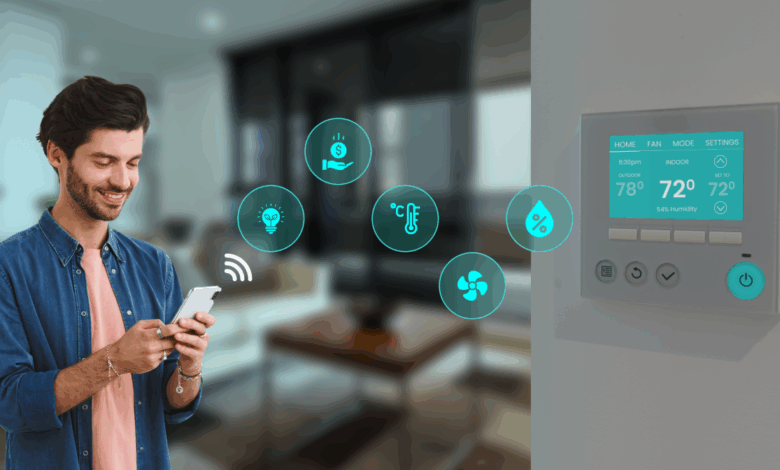
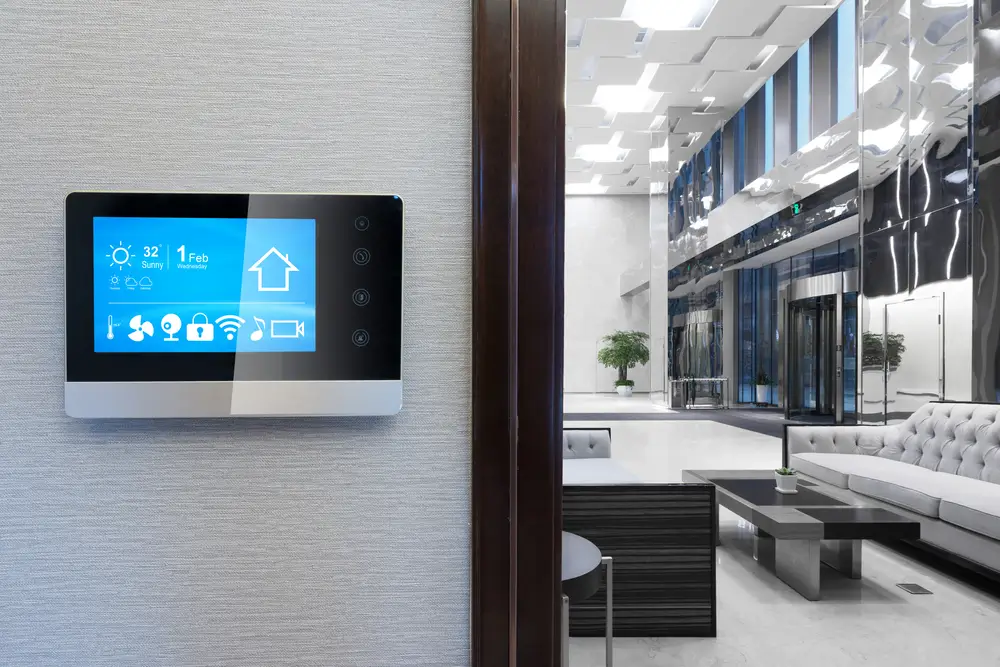
A quiet technological revolution is transforming our most personal spaces—our homes. What began as simple remote-controlled lights has evolved into a sophisticated, interconnected digital ecosystem that is fundamentally redefining modern living. Smart homes are no longer a futuristic concept or a luxury for the tech-elite; they are rapidly becoming mainstream, integrating seamlessly into our daily routines and reshaping our relationship with our living environments. This transformation represents a paradigm shift from standalone automated devices to a holistic, intelligent network that anticipates needs, optimizes resources, and enhances security. For homeowners, technology enthusiasts, and industry professionals alike, understanding this evolution is crucial to navigating the future of residential living. This comprehensive analysis explores how smart homes are leveraging digital ecosystem integration, examining the underlying technologies, the benefits and challenges of adoption, the key players driving innovation, and the emerging trends that will define the next generation of intelligent living spaces.
A. The Evolution of Home Automation: From Simple Controls to Integrated Intelligence
The journey of smart home technology reveals a remarkable progression from basic automation to sophisticated ecosystem integration, reflecting both technological advancement and changing consumer expectations.
A. First Generation: Standalone Automation Devices
The initial phase of home automation featured independent devices with limited connectivity. Early examples included programmable thermostats, basic timer-controlled lights, and simple security systems that operated in isolation. These devices offered convenience but lacked the intelligence and interoperability that define modern smart homes.
B. Second Generation: Connected Ecosystems and Hub-Based Systems
The advent of wireless communication protocols like Zigbee, Z-Wave, and Wi-Fi enabled devices to communicate with each other through central hubs. This allowed homeowners to create basic automation routines—such as “good morning” scenes that gradually turned on lights and adjusted thermostat settings—marking the first step toward true ecosystem integration.
C. Third Generation: AI-Powered Intelligence and Voice Control
The current era is defined by artificial intelligence and voice assistants. Platforms like Amazon Alexa, Google Assistant, and Apple’s Siri have become the central nervous system of smart homes, enabling natural language control and creating learning systems that adapt to user preferences and behaviors over time.
D. The Emerging Fourth Generation: Predictive Automation and Spatial Computing
The next frontier involves homes that anticipate needs before they’re explicitly stated. Using advanced sensors, machine learning algorithms, and eventually spatial computing through AR/VR interfaces, future smart homes will proactively adjust environments based on occupant presence, preferences, and even emotional states detected through biometric signals.
B. Core Technologies Powering Integrated Smart Home Ecosystems
The sophisticated capabilities of modern smart homes are enabled by a convergence of several advanced technologies, each playing a critical role in creating seamless, intelligent environments.
A. Communication Protocols: The Digital Nervous System
* Wi-Fi and Ethernet: Provide high-bandwidth connectivity for streaming devices, security cameras, and primary control systems, serving as the backbone for most smart home networks.
* Zigbee and Z-Wave: Mesh networking protocols that enable low-power, long-range communication between devices like sensors, smart locks, and lighting systems, creating robust networks that extend throughout the home.
* Bluetooth Low Energy (BLE): Enables proximity-based automation and connects portable devices like wearables to the smart home ecosystem, allowing for personalized experiences as users move through spaces.
* Thread and Matter: Emerging standards designed to create unified, secure, and interoperable smart home ecosystems, addressing the critical challenge of device compatibility across different manufacturers.
B. Artificial Intelligence and Machine Learning: The Brain Center
AI transforms smart homes from remotely controlled environments to truly intelligent spaces through several key capabilities:
* Behavioral Pattern Recognition: Systems learn daily routines—wake-up times, preferred lighting scenes, entertainment preferences—and automatically adjust environments to match anticipated needs.
* Predictive Maintenance: AI algorithms analyze data from appliances and systems to detect anomalies and notify homeowners of potential issues before they become major problems.
* Energy Optimization: Machine learning optimizes heating, cooling, and energy usage based on occupancy patterns, weather forecasts, and utility rate schedules, significantly reducing energy waste.
C. Sensing and Perception Technologies: The Sensory Organs
Modern smart homes incorporate diverse sensing capabilities that enable context-aware automation:
* Motion and Presence Sensors: Detect room occupancy and movement patterns to trigger lighting, climate control, and security responses.
* Environmental Sensors: Monitor air quality, temperature, humidity, and light levels to maintain optimal living conditions.
* Computer Vision: Advanced security cameras with object recognition can distinguish between family members, pets, and strangers, enabling more sophisticated security responses.
* Biometric Sensors: Emerging technology that can recognize individuals through voice prints, walking patterns, or eventually even heartbeat signatures for personalized automation.
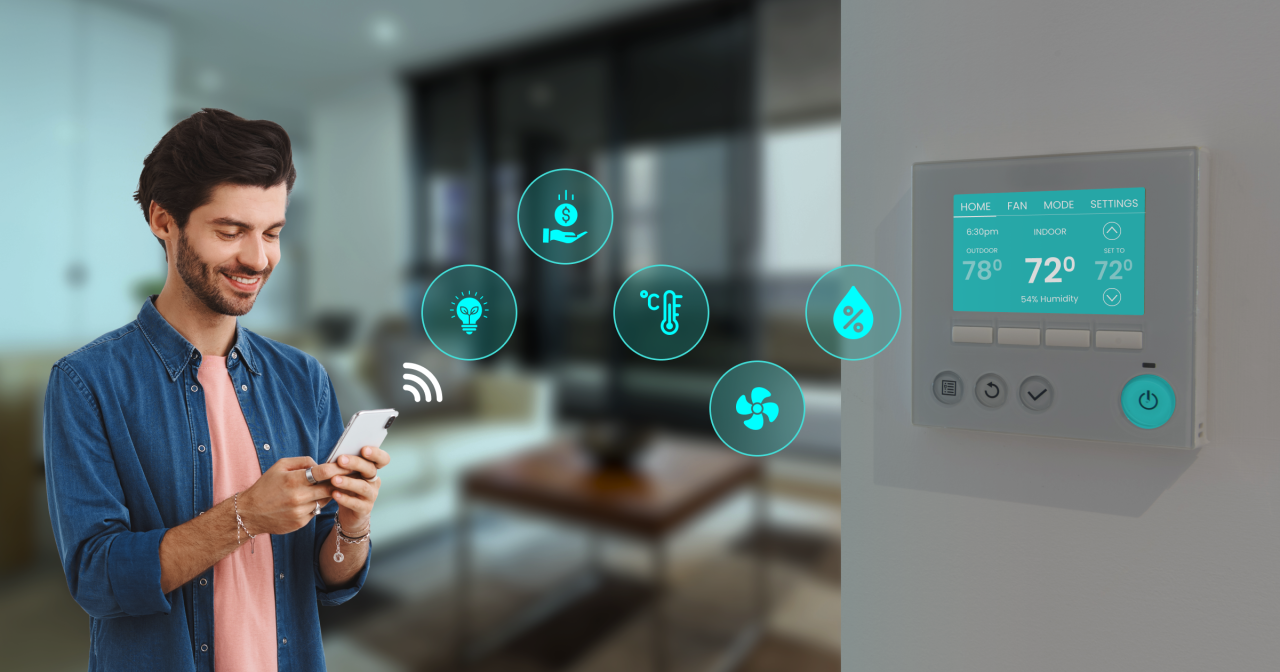
C. The Integrated Smart Home Ecosystem: Key Components and Their Convergence
A truly intelligent home represents the seamless integration of multiple subsystems that work in concert to enhance comfort, security, and efficiency.
A. Energy Management and Sustainability
Modern smart homes actively manage energy consumption through integrated systems:
* Smart Thermostats: Devices like Nest and Ecobee learn schedules and preferences, automatically adjusting temperatures to optimize comfort while reducing energy usage by 10-15%.
* Energy Monitoring Systems: Whole-home energy monitors track electricity usage by circuit or individual appliance, identifying energy hogs and providing insights for reduction.
* Renewable Energy Integration: Smart inverters, battery storage systems, and energy management software optimize the use of solar power, storing excess energy and managing consumption based on production patterns.
B. Security and Safety Integration
Security has evolved from simple alarm systems to comprehensive protection ecosystems:
* Unified Security Platforms: Smart locks, video doorbells, security cameras, and motion sensors work together to provide layered protection, with automated responses like turning on lights when unexpected motion is detected.
* Emergency Response Systems: Smart smoke/CO detectors not only sound local alarms but can automatically turn on lights, unlock doors for emergency access, and send alerts to homeowners and emergency services.
* Virtual Perimeter Security: Geofencing technology uses smartphone location to automatically arm/disarm security systems as residents approach or leave the property.
C. Entertainment and Ambient Environment Control
The modern smart home creates immersive, adaptive environments for relaxation and entertainment:
* Whole-Home Audio and Video: Multi-room audio systems with voice control allow seamless music and content streaming throughout the home, with volume and content adapting to room occupancy.
* Adaptive Lighting Systems: Smart bulbs and switches automatically adjust color temperature and intensity throughout the day—energizing cool white light in mornings, transitioning to warm relaxing tones in evenings—supporting natural circadian rhythms.
* Motorized Window Treatments: Automated blinds and curtains adjust based on time of day, sun position, and temperature, contributing to both comfort and energy efficiency.
D. Health and Wellness Monitoring
An emerging frontier involves using smart home technology to support occupant health:
* Air Quality Management: Advanced HVAC systems with smart filters monitor and maintain optimal humidity, particulate levels, and VOC concentrations.
* Sleep Environment Optimization: Smart beds, temperature controls, and lighting systems work together to create ideal sleeping conditions based on individual sleep patterns and preferences.
* Elderly Care and Assistance: Motion sensors, voice assistants, and emergency alert systems enable older adults to live independently longer, with monitoring capabilities that can detect falls or unusual behavior patterns.
D. Tangible Benefits: How Integrated Smart Homes Enhance Modern Living
The convergence of technologies within smart home ecosystems delivers significant, measurable benefits across multiple dimensions of daily life.
A. Enhanced Convenience and Quality of Life
The most immediate benefit is the simplification of daily routines through automation:
* Voice-Controlled Environments: Hands-free control of entertainment, lighting, and information access, particularly valuable for individuals with mobility challenges.
* Contextual Automation: Systems that automatically adjust based on scenarios—like “movie night” scenes that dim lights, lower shades, and start the entertainment system with a single command.
* Remote Management and Monitoring: The ability to control home systems from anywhere via smartphone apps provides peace of mind and flexibility.
B. Significant Energy and Cost Savings
Integrated smart homes deliver substantial financial benefits through optimized resource usage:
* Reduced Utility Bills: Automated energy management typically reduces electricity consumption by 10-20% and heating/cooling costs by 10-15% through more efficient operation.
* Preventative Maintenance: Early detection of appliance issues and system malfunctions prevents costly repairs and extends equipment lifespan.
* Insurance Discounts: Many insurance providers offer premium reductions for homes with integrated security and leak detection systems.
C. Improved Security and Safety
The multi-layered security approach of integrated smart homes provides comprehensive protection:
* Deterrence and Detection: Visible security systems deter potential intruders, while immediate notifications of suspicious activity enable rapid response.
* Remote Access Control: The ability to remotely lock/unlock doors and grant temporary access to visitors or service providers enhances both security and convenience.
* Early Hazard Detection: Smart sensors can identify water leaks, freezing pipes, or electrical issues before they cause significant damage.
D. Accessibility and Aging in Place
Smart home technology is revolutionizing independent living for elderly and disabled individuals:
* Voice Interface: Enables control of the environment without physical mobility.
* Activity Monitoring: Discrete sensors can track normal daily patterns and alert caregivers to unusual inactivity or potential emergencies.
* Environmental Adaptations: Automated systems adjust lighting, temperature, and security to compensate for physical limitations.
E. Significant Challenges and Implementation Considerations
Despite the compelling benefits, the path to a fully integrated smart home presents several challenges that consumers must navigate.
A. Privacy and Data Security Concerns
The extensive data collection inherent in smart homes raises significant privacy issues:
* Vulnerability to Hacking: Connected devices represent potential entry points for cybercriminals seeking access to home networks and personal data.
* Data Collection and Usage: Manufacturers often collect detailed information about household activities, raising questions about how this data is used, stored, and potentially shared with third parties.
* Surveillance Concerns: The proliferation of always-on microphones and cameras creates potential for unauthorized surveillance, both externally and within household relationships.
B. Interoperability and Compatibility Issues
The lack of universal standards remains a significant barrier to seamless integration:
* Platform Fragmentation: Devices designed for specific ecosystems (Amazon Alexa, Google Home, Apple HomeKit) may not work well together, forcing consumers to choose sides or maintain multiple systems.
* Technical Complexity: Setting up and maintaining a sophisticated smart home requires significant technical expertise, creating frustration for non-technical users.
* Update Management: Ensuring all devices and hubs remain updated with the latest security patches and feature improvements becomes an ongoing maintenance task.
C. Cost and Return on Investment Considerations
Building a comprehensive smart home represents a substantial financial investment:
* Initial Implementation Costs: High-quality smart devices, professional installation, and necessary infrastructure upgrades can represent significant upfront expenses.
* Ongoing Expenses: Subscription fees for advanced features, cloud storage, and professional monitoring services add to the total cost of ownership.
* Technology Obsolescence: The rapid pace of innovation means today’s cutting-edge devices may become incompatible or unsupported within a few years.
D. Reliability and Technical Performance
Dependence on complex technology introduces new potential failure points:
* Network Dependency: Most smart home functions require stable internet connectivity, making systems vulnerable to internet outages.
* Device Reliability: Inconsistent performance, connectivity drops, and false alerts can undermine user trust and satisfaction.
* Technical Support Challenges: Troubleshooting issues within interconnected systems can be complex, often requiring support from multiple manufacturers.

F. The Future Trajectory: Emerging Trends in Smart Home Technology
The next generation of smart home technology promises even deeper integration and intelligence, with several key trends shaping the future landscape.
A. Edge Computing and Local Processing
To address privacy and latency concerns, more processing is moving from the cloud to local hubs within the home:
* Faster Response Times: Local processing enables near-instantaneous responses to commands and sensor triggers.
* Enhanced Privacy: Sensitive data can be processed locally rather than transmitted to cloud servers.
* Continued Operation During Internet Outages: Critical automation functions remain operational even when internet connectivity is lost.
B. AI-Powered Predictive Automation
The next evolution involves systems that anticipate needs rather than simply responding to commands:
* Behavioral Prediction: Systems will learn complex patterns and prepare environments before explicit commands are given.
* Cross-Domain Optimization: AI will find efficiencies across different systems—for example, coordinating electric vehicle charging with solar production and time-of-use utility rates.
* Proactive Health Support: Integration with wearable health data will enable environments that adapt to support physiological needs, such as adjusting temperature for optimal sleep based on biometric signals.
C. Sustainable and Resilient Home Systems
Future smart homes will increasingly focus on sustainability and self-sufficiency:
* Microgrid Integration: Homes will actively manage energy production, storage, and consumption, participating in utility demand-response programs.
* Water Management: Smart irrigation, leak detection, and water recycling systems will optimize this critical resource.
* Circular Economy Integration: Systems will monitor resource consumption and facilitate recycling and waste reduction through improved tracking and management.
D. Spatial Computing and Immersive Interfaces
The integration of AR/VR technologies will create new paradigms for interacting with home environments:
* Virtual Control Panels: AR interfaces will enable control of systems through gesture and gaze rather than physical screens.
* Contextual Information Overlay: Relevant information about systems and objects will be displayed when viewed through AR glasses.
* Immersive Entertainment Spaces: Rooms will dynamically reconfigure their audio, visual, and lighting environments to create deeply immersive entertainment experiences.
Conclusion
Smart home technology has evolved from a collection of novelty gadgets into a sophisticated, integrated ecosystem that is fundamentally enhancing how we live, work, and interact with our personal spaces. The true power of these systems emerges not from individual devices, but from their seamless integration—the way security, comfort, entertainment, and sustainability systems work in concert to create environments that are more responsive, efficient, and secure. While challenges around privacy, interoperability, and complexity remain significant, the emergence of standards like Matter and advances in local AI processing are paving the way for more accessible, secure, and reliable smart home ecosystems. As this technology continues to mature, the smart home of the future promises to be not just connected, but truly intelligent—anticipating our needs, optimizing resource usage, enhancing wellbeing, and creating living spaces that actively contribute to our quality of life in meaningful, sustainable ways. The journey toward truly intelligent living environments has just begun, and the potential for innovation remains boundless as our homes become increasingly integrated into our digital lives.
Tags: smart home technology, home automation, IoT devices, connected home, smart ecosystem, home security, energy efficiency, voice control, smart devices, home management