Edge Computing Revolutionizes Intelligent Device Ecosystems



The Edge Computing Paradigm Shift
Edge computing has emerged as a transformative architectural framework that is fundamentally reshaping how intelligent devices process, analyze, and act upon data. This distributed computing paradigm brings computation and data storage closer to the location where it’s needed, enabling real-time processing capabilities that were previously impossible with traditional cloud-centric approaches. From autonomous vehicles making split-second navigation decisions to smart factories optimizing production lines in real-time, edge computing is unlocking new possibilities for intelligent devices across every sector. This comprehensive analysis explores how edge computing is powering the next generation of smart devices, the technological foundations enabling this shift, implementation across various domains, and the profound implications for businesses, consumers, and technology infrastructure in an increasingly connected world.
A. The Technological Foundation of Edge Computing
Multiple converging technologies have enabled the practical implementation of edge computing architectures.
A.1. Hardware Advancements Enabling Edge Processing
Significant improvements in edge device capabilities have made sophisticated local processing feasible.
-
Specialized Edge Processors: Application-specific integrated circuits (ASICs) and system-on-chip (SoC) designs optimized for edge workloads like computer vision, natural language processing, and signal analysis.
-
Energy-Efficient Computing Architectures: Low-power processors that deliver substantial computational capability while operating within the thermal and power constraints of edge environments.
-
Hardware Acceleration Integration: Specialized components for specific tasks including graphics processing units (GPUs), vision processing units (VPUs), and tensor processing units (TPUs) that dramatically improve performance for AI workloads at the edge.
A.2. Edge-Optimized Software and Development Frameworks
New software approaches are essential for effective edge computing implementation.
-
Containerization at the Edge: Lightweight container technologies like Docker and Kubernetes variants specifically designed for resource-constrained edge environments.
-
Edge-Native Application Architectures: Software designed from inception for intermittent connectivity, limited resources, and distributed operation across edge nodes.
-
Federated Learning Systems: Machine learning approaches that train models across decentralized edge devices while keeping data localized, addressing privacy concerns and reducing bandwidth requirements.
A.3. Connectivity and Network Innovations
Advanced networking technologies enable seamless operation between edge devices and cloud resources.
-
5G and Network Slicing: Next-generation cellular technology provides the low latency and high bandwidth necessary for demanding edge applications, with network slicing enabling customized connectivity for different use cases.
-
Edge Networking Protocols: Specialized communication protocols optimized for device-to-device communication and local area networking in edge environments.
-
Content Delivery Networks Evolution: Traditional CDNs are expanding their capabilities to include generalized edge computing resources beyond simple content caching.
B. Edge Computing Applications Across Smart Device Categories
Edge computing is transforming capabilities across diverse smart device ecosystems.
B.1. Consumer Smart Devices and IoT
Edge computing enables more responsive and privacy-conscious consumer devices.
-
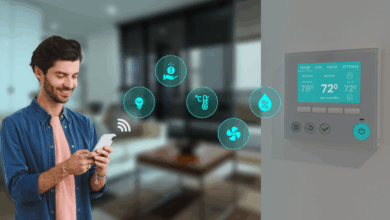
Smart Home Intelligence: Local processing of security camera footage, voice commands, and environmental data reduces latency while enhancing privacy by minimizing external data transmission.
-
Wearable Health Monitoring: Real-time analysis of biometric data on devices like smartwatches enables immediate health alerts and reduces dependency on smartphone connectivity.
-
Augmented Reality Devices: Local processing of spatial mapping and object recognition enables responsive AR experiences without constant cloud connectivity.
B.2. Industrial and Manufacturing Applications
Edge computing drives significant efficiency and capability improvements in industrial settings.
-
Predictive Maintenance Systems: Real-time analysis of equipment sensor data identifies potential failures before they occur, reducing downtime and maintenance costs.
-
Computer Vision Quality Control: Immediate visual inspection and defect detection on production lines enables real-time adjustments and reduces waste.
-
Industrial Robotics Optimization: Local processing enables complex coordination between robots and adaptation to changing conditions without round-trip delays to cloud systems.
B.3. Automotive and Transportation Systems
Edge computing is essential for the realization of autonomous and connected transportation.
-
Autonomous Vehicle Decision Making: Split-second processing of sensor data for navigation, obstacle avoidance, and trajectory planning requires edge processing to meet safety-critical latency requirements.
-
Intelligent Traffic Management: Local analysis of traffic patterns enables real-time optimization of signal timing and traffic flow without central coordination delays.
-
Fleet Management Optimization: Processing vehicle data at the edge enables immediate operational decisions while aggregating summary data for central analysis.
C. Architectural Models for Edge Computing Deployment
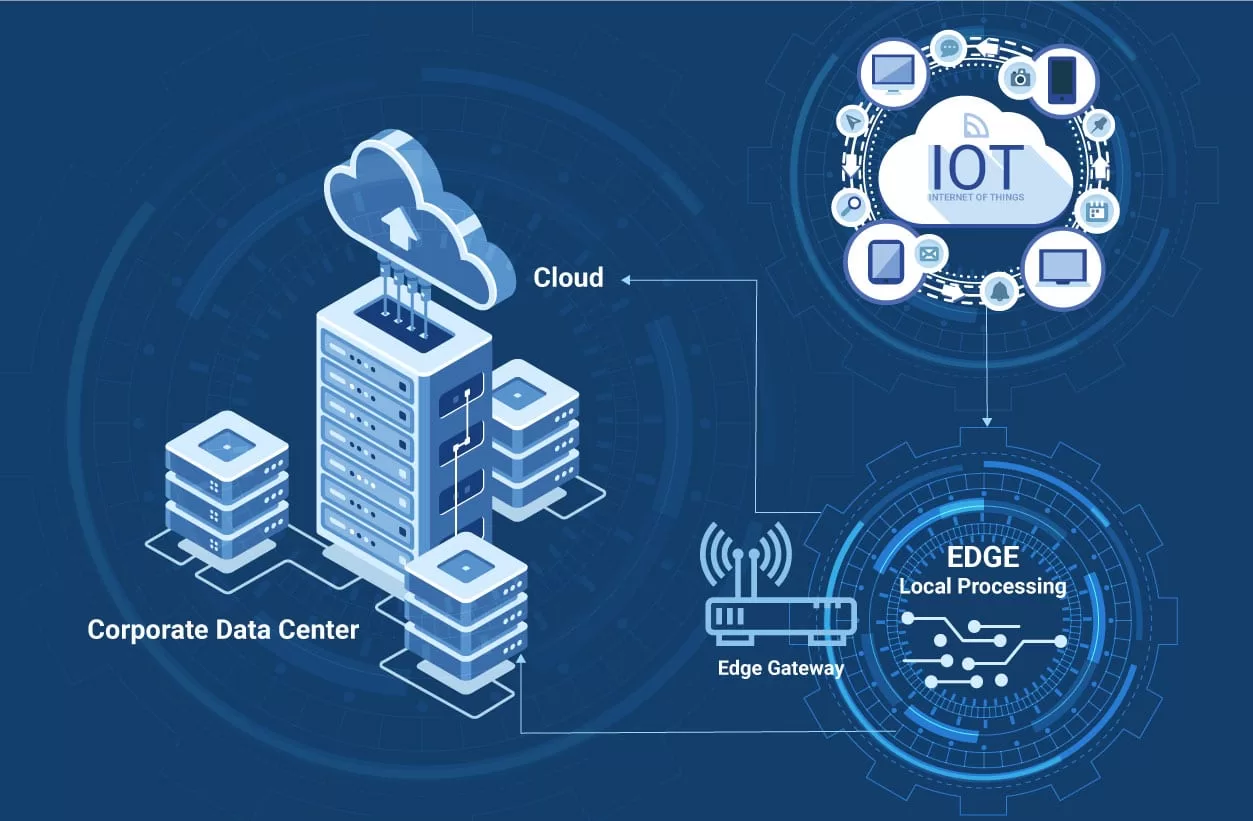
Different edge computing architectures support varying requirements and use cases.
C.1. Device Edge Architecture
Intelligence embedded directly within endpoint devices.
-
On-Device AI Models: Machine learning models running directly on consumer and industrial devices for immediate inference without external dependencies.
-
Sensor Fusion at Source: Combining data from multiple sensors directly on devices for more accurate environmental understanding.
-
Adaptive Device Behavior: Devices that modify their operation based on local analysis of usage patterns and environmental conditions.
C.2. Local Edge Gateway Architecture
Intermediate processing nodes that serve multiple local devices.
-
Multi-Device Coordination: Gateways that process data from multiple devices to enable coordinated actions and shared intelligence.
-
Data Filtering and Aggregation: Reducing bandwidth requirements by processing raw device data locally and transmitting only meaningful insights or exceptions.
-
Protocol Translation: Bridging communication between devices using different standards and connecting them to broader networks.
C.3. Infrastructure Edge Architecture
Regional micro-data centers providing computational resources closer to users than traditional cloud data centers.
-
Mobile Edge Computing: Computational resources integrated with cellular network infrastructure to serve mobile devices with minimal latency.
-
Content Delivery Network Integration: Extending traditional CDN capabilities to include general-purpose computing resources at network edges.
-
Edge Cloud Services: Cloud provider offerings that extend their services to geographically distributed edge locations.
D. Implementation Challenges and Strategic Solutions
Deploying effective edge computing systems presents unique challenges requiring specialized approaches.
D.1. Security and Management Complexities
Distributed edge environments create new security and operational challenges.
-
Physical Security Concerns: Edge devices located in uncontrolled environments are vulnerable to physical tampering and theft.
-
Distributed Security Management: Maintaining consistent security policies and protection across thousands of geographically dispersed edge nodes.
-
Secure Update Mechanisms: Reliably deploying software updates to edge devices with potentially intermittent connectivity.
D.2. Operational and Management Considerations
Managing distributed edge infrastructure requires new operational paradigms.
-
Remote Device Management: Tools for monitoring, updating, and troubleshooting edge devices without physical access.
-
Resource Constraints Management: Optimizing application performance within the computational, memory, and power limitations of edge environments.
-
Connectivity Variability Handling: Designing systems that function effectively despite intermittent or variable quality network connections.
D.3. Development and Deployment Complexities
Building and deploying applications for edge environments presents unique development challenges.
-
Heterogeneous Environment Management: Supporting applications across diverse hardware configurations and capabilities.
-
Distributed Application Orchestration: Coordinating application components across cloud, edge, and device resources.
-
Testing and Validation: Ensuring application reliability across the diverse conditions encountered in edge deployments.
E. Technological Enablers and Emerging Capabilities
Continued technological advancement is expanding edge computing possibilities.
E.1. Artificial Intelligence at the Edge
Specialized AI capabilities are making edge devices increasingly intelligent.
-
TinyML and Ultra-Low-Power AI: Machine learning models optimized to run on resource-constrained microcontrollers.
-
Continual Learning Systems: Edge AI that adapts to local conditions and usage patterns over time.
-
Explainable AI for Edge: Techniques that make edge AI decisions interpretable and auditable despite resource constraints.
E.2. Advanced Networking and Communication
Evolving networking technologies enhance edge computing capabilities.
-
5G Advanced and 6G Development: Next-generation cellular technologies with improved latency, reliability, and efficiency for edge applications.
-
Satellite Internet Integration: Expanding edge computing to remote locations through satellite connectivity.
-
Mesh Networking Protocols: Enabling direct device-to-device communication for resilient edge networks.
E.3. Edge-Native Security Technologies
Security approaches designed specifically for edge computing challenges.
-
Zero Trust Architecture for Edge: Security models that verify every request regardless of source, essential for distributed edge environments.
-
Hardware-Based Root of Trust: Secure hardware elements that provide foundational security for edge devices.
-
Blockchain for Edge Security: Distributed ledger technology for secure coordination and audit trails across edge nodes.
F. Future Directions in Edge Computing Evolution
Edge computing continues to evolve with emerging trends and capabilities.
F.1. Autonomous Edge Systems
Increasing autonomy at the edge reduces dependency on central coordination.
-
Self-Organizing Edge Networks: Systems that automatically configure and optimize themselves based on local conditions and requirements.
-
Federated Edge Intelligence: Collaborative learning and decision-making across edge devices without central coordination.
-
Edge Digital Twins: Virtual representations of physical systems that run at the edge for real-time simulation and optimization.
F.2. Edge Computing in Emerging Domains
New application areas are adopting edge computing approaches.
-
Space Edge Computing: Processing capabilities deployed in satellites and space vehicles for autonomous operation during communication blackouts.
-
Undersea and Remote Monitoring: Edge systems that operate autonomously in extreme environments with limited connectivity.
-
Disaster Response and Military Applications: Resilient edge systems that function in compromised infrastructure scenarios.
F.3. Sustainable Edge Computing
Addressing the environmental impact of distributed computing resources.
-
Energy-Harvesting Edge Devices: Systems that power themselves from ambient energy sources in their environment.
-
Edge Computing Efficiency Optimization: Techniques for maximizing computational output while minimizing energy consumption.
-
Circular Economy for Edge Hardware: Designing edge devices for repair, upgrade, and recycling to reduce electronic waste.
Conclusion: The Edge-Centric Future of Computing
The rise of edge computing represents a fundamental shift in how computational resources are organized and deployed, moving from centralized models to distributed architectures that place intelligence precisely where it’s needed. This transformation is enabling a new generation of smart devices that are more responsive, more private, more efficient, and more capable than their cloud-dependent predecessors. As edge computing technologies continue to mature and proliferate, they promise to unlock applications and capabilities that are currently unimaginable, from truly autonomous systems that operate independently for extended periods to intelligent environments that respond seamlessly to human presence and needs. The most successful organizations in this edge-centric future will be those that understand how to effectively distribute intelligence across their technology ecosystems, balancing local processing with cloud coordination to create systems that are both responsive and insightful. In this context, edge computing is not merely an technical architecture but a fundamental enabler of next-generation experiences and capabilities across every domain of human activity—from how we work and communicate to how we travel, manufacture, and care for our health. The edge revolution is just beginning, and its full implications will unfold over the coming decade as computing becomes truly ubiquitous, distributed, and integrated into the fabric of our physical world.
Tags: edge computing, IoT devices, smart technology, distributed computing, AI at edge, real-time processing, edge architecture, intelligent devices, edge intelligence, IoT innovation, computing infrastructure, edge applications