Wearable Technology Transforms Personal Healthcare

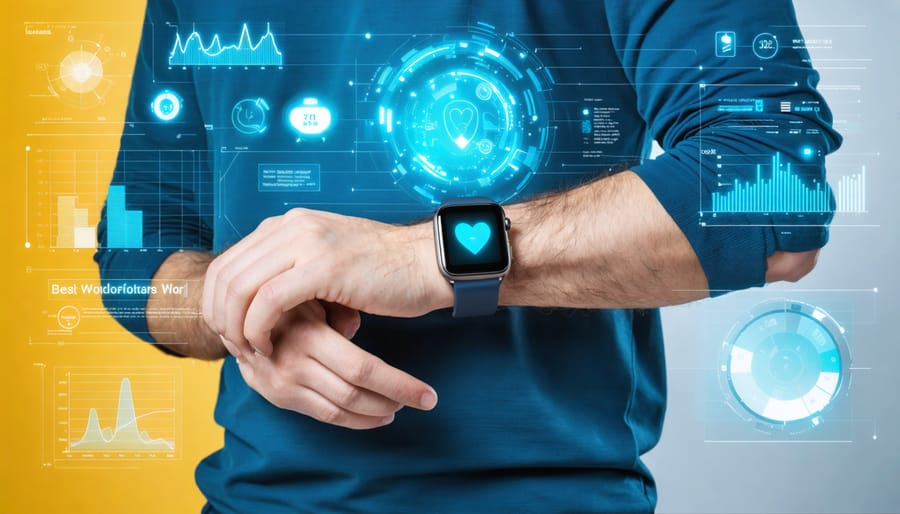
A quiet revolution is unfolding on our wrists, in our pockets, and integrated into our everyday clothing. Wearable technology, once limited to simple step counters, has evolved into a sophisticated ecosystem of connected devices that are fundamentally reshaping our relationship with health and medicine. This transformation represents a paradigm shift from reactive healthcare to proactive wellness, empowering individuals with unprecedented access to their physiological data. The implications extend far beyond personal fitness, creating ripple effects across clinical medicine, medical research, and the entire healthcare insurance industry. This in-depth exploration examines how wearable tech is driving the digital health revolution, analyzing its core technologies, multifaceted applications, inherent challenges, and the future trajectory of this rapidly evolving field that stands to redefine preventive care for generations to come.
A. The Evolution of Wearables: From Pedometers to Clinical-Grade Monitors
The journey of wearable technology reveals a remarkable acceleration from basic activity tracking to comprehensive health monitoring, reflecting both technological advancement and shifting consumer expectations.
A. First Generation: Basic Activity Trackers
The initial wave, led by devices like early Fitbit models, focused primarily on step counting, crude calorie estimation, and sleep duration tracking. These devices introduced the masses to the concept of quantitative self-tracking but offered limited clinical value due to questionable accuracy and a narrow data scope.
B. Second Generation: Smartwatches and Multi-Parameter Monitoring
The advent of advanced smartwatches from Apple, Samsung, and Garmin marked a significant leap forward. These devices incorporated optical heart rate sensors, GPS for precise location and pace tracking, and began introducing more sophisticated health features like abnormal heart rhythm notifications and blood oxygen saturation (SpO2) monitoring, blurring the line between consumer electronics and medical devices.
C. Third Generation: Specialized Medical Wearables and Continuous Monitoring
The current frontier involves devices designed for specific medical conditions. This includes continuous glucose monitors (CGMs) like Dexcom for diabetics, wearable ECG patches such as the Zio patch for cardiac arrhythmia detection, and smart clothing with embedded sensors. This generation prioritizes clinical accuracy and is often used under physician guidance, representing a true convergence of consumer tech and medical-grade monitoring.
D. The Future: Non-Invasive Multi-Analyte Sensing and Predictive Analytics
The next wave of innovation focuses on overcoming the last barrier—the need for invasive procedures. Research is intensifying on sensors that can non-invasively measure a wider range of biomarkers, including blood glucose without finger-pricking, blood alcohol level, hydration status, and even early markers of infection through sweat, saliva, or interstitial fluid analysis.
B. Core Technologies Powering the Wearable Health Revolution
The sophisticated capabilities of modern wearables are made possible by a convergence of several advanced technologies, each playing a critical role in data acquisition, processing, and interpretation.
A. Biometric Sensors: The Data Collection Engine
* Optical Photoplethysmography (PPG): This is the flashing green light on the back of a smartwatch. It measures blood flow variations to determine heart rate, heart rate variability (HRV), and, with advanced algorithms, blood oxygen levels.
* Electrocardiogram (ECG/EKG) Sensors: These measure the heart’s electrical activity. Medical-grade wearable patches provide continuous monitoring, while smartwatch ECGs offer on-demand spot checks for conditions like atrial fibrillation (AFib).
* Bioimpedance Sensors: By sending a tiny, imperceptible electrical current through the body, these sensors can estimate body composition metrics like body fat percentage, skeletal muscle mass, and even stress levels through changes in sweat gland activity.
* Accelerometers and Gyroscopes: These fundamental motion sensors track movement, distinguish between types of activity (walking vs. running), detect falls, and analyze sleep patterns based on body movement.
B. Advanced Software and AI Algorithms: The Intelligence Core
Raw sensor data is meaningless without sophisticated software. Artificial Intelligence (AI) and machine learning algorithms are the true heroes, transforming raw photoplethysmography signals into actionable insights.
* Pattern Recognition: AI identifies patterns indicative of health events, such as the irregular rhythm of AFib in an ECG trace or the signature blood flow change associated with sleep apnea.
* Personalized Baselines: Machine learning establishes a unique baseline for each user, allowing the device to detect subtle deviations that may signal illness, excessive stress, or overtraining.
* Data Synthesis: The most powerful feature is the correlation of data from multiple sensors—for instance, correlating resting heart rate, HRV, and sleep data to provide a composite recovery score or illness risk alert.
C. Connectivity and Cloud Infrastructure: The Central Nervous System
Wearables rely on seamless connectivity (Bluetooth, Wi-Fi, Cellular) to transmit data to smartphones and secure cloud servers. This infrastructure enables long-term data storage, complex analysis that is beyond the device’s onboard processing power, and the sharing of reports with healthcare providers and caregivers, creating a continuous feedback loop that is independent of a clinical setting.

C. Transformative Impact: How Wearables Are Reshaping Healthcare Paradigms
The proliferation of wearable technology is creating tangible, positive disruptions across the entire healthcare spectrum, from individual self-care to systemic efficiency.
A. Empowering Proactive and Preventive Health
The most significant impact is the shift from a reactive “sick-care” model to a proactive “health-care” system. By providing continuous data, wearables empower individuals to make informed lifestyle choices. Noticing a trend of elevated resting heart rate can prompt earlier rest, while a sleep tracker revealing poor sleep architecture can encourage better sleep hygiene, potentially preventing more serious health issues down the line.
B. Revolutionizing Chronic Disease Management
For the millions living with chronic conditions, wearables are life-changing.
* Diabetes: CGMs provide real-time glucose readings and trends, alerting users to dangerous highs or lows and enabling precise insulin dosing. This reduces the risk of acute complications and long-term organ damage.
* Cardiovascular Disease: Patients with hypertension or heart conditions can be monitored remotely. Wearables can detect arrhythmias like AFib, often before the patient becomes symptomatic, allowing for earlier intervention and potentially preventing strokes.
* Personalized Rehabilitation: For patients recovering from surgery or a cardiac event, wearables can ensure they stay within prescribed activity zones, track adherence to physiotherapy, and provide objective progress data to their clinical team.
C. Enhancing Clinical Decision-Making and Research
* Objective, Real-World Data: Wearables provide clinicians with objective data collected in a patient’s natural environment, which is often more representative than a single reading taken in a stressful clinical setting. This leads to more personalized and effective treatment plans.
* Accelerating Medical Research: Large-scale studies leveraging data from hundreds of thousands of wearable users are providing unprecedented insights into population health, disease progression, and the effectiveness of interventions. The Apple Heart Study is a prime example, demonstrating the feasibility of large-scale virtual clinical trials.
D. Driving the Shift to Value-Based Care and Insurance
The insurance industry is increasingly leveraging wearable data to create innovative models.
* Usage-Based Insurance (UBI): Life and health insurance companies offer premium discounts or rewards to customers who agree to share their activity and health data, incentivizing healthy behaviors.
* Remote Patient Monitoring (RPM) Reimbursement: Medicare and other payers now reimburse providers for the remote monitoring of patients with chronic conditions, a business model directly enabled by wearable technology and creating a sustainable financial pathway for its adoption in clinical care.
D. Significant Challenges and Ethical Considerations
Despite the immense promise, the integration of wearable data into mainstream healthcare faces several substantial hurdles that must be thoughtfully addressed.
A. Data Accuracy and Clinical Validation
Not all wearables are created equal. Consumer-grade devices are not subject to the same rigorous FDA or CE approval processes as medical devices. Inaccurate data can lead to unnecessary anxiety (“cyberchondria”) or, conversely, a false sense of security. Establishing clear standards for validation and educating users on the limitations of these devices is crucial.
B. Data Privacy, Security, and Ownership
Health data generated by wearables is incredibly sensitive. Critical questions remain: Who owns this data—the user, the device manufacturer, or the cloud platform? How is it being used, and with whom is it being shared? Robust cybersecurity measures are essential to prevent breaches, and transparent data governance policies are needed to build user trust.
C. The Digital Divide and Health Equity
There is a genuine risk that wearable tech could exacerbate existing health disparities. High-cost devices are often inaccessible to low-income, elderly, or rural populations who could benefit most from remote monitoring. This could create a “health data gap,” widening the health outcomes chasm between the affluent and the disadvantaged.
D. Information Overload and Clinical Workflow Integration
The constant stream of data can be overwhelming for both users and physicians. How should a primary care physician handle a patient who brings in six months of heart rate variability data? Integrating this new data stream into already-burdened clinical workflows without causing “alert fatigue” is a significant operational challenge.
E. Regulatory and Liability Gray Areas
The regulatory landscape is struggling to keep pace with innovation. If a wearable device fails to detect a serious arrhythmia, who is liable—the manufacturer, the app developer, or the prescribing physician? Clearer regulatory frameworks are needed to guide the industry and protect all stakeholders.
E. The Future Trajectory: Emerging Trends in Wearable Health Tech
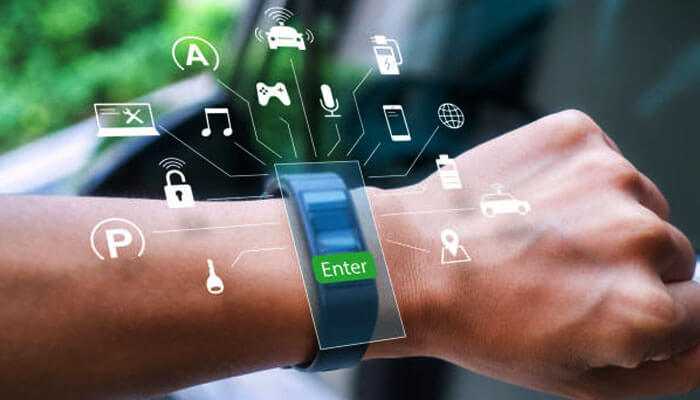
The next decade will witness even more profound integration of wearables into the fabric of healthcare, driven by several key technological trends.
A. Non-Invasive Multi-Marker Blood Sensing
The “holy grail” of wearable tech is the ability to perform a non-invasive blood panel. Companies are developing technologies using spectroscopy, ultrasound, and other methods to measure glucose, lipids, hormones, and electrolytes directly through the skin, which would render many routine blood draws obsolete.
B. Advanced Brain-Computer Interfaces (BCIs) and Mental Health Monitoring
Devices like headbands and hearables (advanced earbuds) are being developed to monitor brain activity (EEG), focus, and stress levels. This opens up new frontiers in managing mental health conditions like anxiety and depression, optimizing cognitive performance, and even controlling external devices through thought.
C. Embedded and Implantable Miniaturized Sensors
The line between wearables and “insideables” is blurring. Future sensors may be embedded in teeth, attached to contact lenses to monitor intraocular pressure for glaucoma, or swallowed as ingestible pills to monitor gut health, providing continuous internal biomonitoring.
D. AI-Powered Predictive Health Coaches
Future wearables will evolve from data reporters to AI-driven health partners. They will synthesize all available data—activity, sleep, nutrition, and biomarkers—to provide hyper-personalized, contextual advice, such as recommending a rest day to prevent illness or suggesting specific dietary adjustments based on real-time physiological responses.
Conclusion
Wearable technology has irrevocably broken the monopoly of the annual check-up, ushering in an era of continuous, personalized, and participatory health management. It is the cornerstone of the digital health revolution, transforming patients from passive recipients of care into active, data-empowered managers of their own well-being. While challenges surrounding accuracy, privacy, and equity demand vigilant attention, the trajectory is clear. The future of healthcare is not confined to the clinic; it is seamlessly integrated into our daily lives, powered by the sensors we wear. As technology continues to advance, the potential for wearables to enable early disease detection, personalize medical treatments, and democratize access to high-quality health insights will only grow, solidifying their role as an indispensable tool in building a healthier, more proactive global society.
Tags: wearable technology, digital health, fitness trackers, health monitoring, medical devices, preventive healthcare, IoT in healthcare, biometric data, personalized medicine, remote patient monitoring