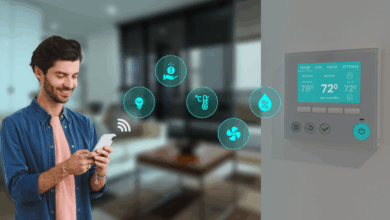
Digital Portals Transform Human Experience



The Gateway to New Realities
We stand at the threshold of a profound transformation in human experience, where digital portals are evolving from mere access points to becoming the very fabric through which we perceive, interact with, and shape our realities. These gateways—whether they manifest as smartphone screens, virtual reality headsets, smart home interfaces, or augmented reality overlays—have ceased to be simple tools and have become the primary mediators of our daily existence. The rapid advancement of these digital portals is not just changing how we access information; it’s fundamentally reshaping human consciousness, social structures, economic systems, and our very understanding of reality itself. This comprehensive exploration examines how digital portals are reimagining life across multiple dimensions, creating new possibilities for human connection, knowledge, and experience while presenting significant challenges that demand our thoughtful attention and ethical consideration.
A. The Evolution of Digital Portals: From Tools to Environments
Understanding how digital interfaces have transformed from simple utilities to comprehensive experiential environments.
A. Historical Development of Digital Access Points
The journey from primitive interfaces to immersive portals:
-
Command-Line Interfaces: The earliest digital portals requiring specialized knowledge and precise syntax for operation.
-
Graphical User Interfaces: The democratization of digital access through visual metaphors and point-and-click interactions.
-
Web Browsers and Mobile Apps: The proliferation of specialized portals for different services and information sources.
-
Immersive and Ambient Interfaces: The current evolution toward portals that surround us and respond to natural human behavior.
B. The Psychology of Portal Engagement
How digital interfaces shape human perception and behavior:
-
Attention Economics: How portal design captures and directs human focus through notification systems and algorithmic content curation.
-
Cognitive Offloading: The phenomenon of relying on digital portals for memory, navigation, and decision-making support.
-
Reality Blending: The increasing difficulty in distinguishing between experiences mediated through digital portals and direct physical experiences.
-
Identity Multiplicity: How individuals develop different aspects of their identity across various digital portals and platforms.
B. Core Technologies Enabling Advanced Digital Portals
The technological foundations that make sophisticated digital portals possible and pervasive.
A. Interface and Interaction Technologies
The hardware and software creating portal experiences:
-
Voice Recognition Systems: Natural language processing enabling conversational interactions with digital systems.
-
Gesture and Motion Control: Camera systems and sensors interpreting human movements as input commands.
-
Haptic Feedback Systems: Technology that provides tactile sensations, making digital interactions feel more physically real.
-
Biometric Integration: Systems that recognize individuals through fingerprints, facial features, or other biological characteristics.
B. Connectivity and Processing Infrastructure
The underlying systems supporting portal functionality:
-
5G and Advanced Networks: High-speed, low-latency connectivity enabling real-time portal interactions.
-
Edge Computing: Distributed processing power allowing portals to respond instantly without cloud dependency.
-
Cloud Infrastructure: Scalable resources supporting complex portal functionalities across global user bases.
-
Blockchain Systems: Distributed ledgers enabling trust and verification across portal interactions.

C. Sector Transformations Through Digital Portals
Different aspects of life are being reimagined through specialized digital portals.
A. Healthcare and Wellness Portals
Transforming how we understand and manage health:
-
Telemedicine Platforms: Virtual clinics providing medical consultations and monitoring through digital interfaces.
-
Health Tracking Ecosystems: Portals integrating data from wearables, medical devices, and user input for comprehensive health management.
-
Mental Health Applications: Digital portals offering therapy, meditation, and psychological support through various modalities.
-
Medical Research Participation: Platforms enabling individuals to contribute health data to scientific studies through consent-based portals.
B. Learning and Education Portals
Revolutionizing knowledge acquisition and skill development:
-
Virtual Classroom Environments: Immersive learning spaces transcending geographical limitations.
-
Personalized Learning Pathways: Adaptive systems tailoring educational content to individual progress and learning styles.
-
Skill-Based Learning Platforms: Portals focused on developing specific capabilities through interactive exercises and projects.
-
Global Knowledge Networks: Systems connecting learners with experts and resources worldwide.
C. Social and Community Portals
Redefining human connection and community formation:
-
Virtual World Platforms: Persistent digital environments where people interact through avatars and created spaces.
-
Interest-Based Communities: Portals connecting people across geographical boundaries through shared passions and pursuits.
-
Family Connection Networks: Specialized portals designed to maintain relationships across generations and distances.
-
Civic Engagement Platforms: Digital town squares enabling participation in community decisions and governance.
D. The Human Experience in a Portal-Mediated World
How digital portals are reshaping individual psychology, behavior, and social dynamics.
A. Cognitive and Psychological Impacts
The effects of portal immersion on human thinking:
-
Attention Patterns: How constant portal access is changing our ability to focus and process information deeply.
-
Memory Formation: The shift from internal memory retention to external digital storage and recall.
-
Reality Perception: The blending of digital and physical experiences in human consciousness.
-
Emotional Responses: How portal-designed experiences trigger and shape emotional states.
B. Social and Relational Evolution
Changing patterns of human interaction and community:
-
Digital Relationship Building: How meaningful connections form and develop primarily through portal interactions.
-
Hybrid Social Existence: Balancing online and offline social presence and participation.
-
Global-Local Dynamics: Navigating worldwide connections while maintaining local community engagement.
-
Identity Expression: Curating and presenting different aspects of self across various portal environments.
E. Economic and Work Life Transformation
Digital portals are creating new economic models and work patterns.
A. New Economic Opportunities
Emerging possibilities for value creation and exchange:
-
Digital Marketplace Portals: Platforms enabling global trade and service exchange across traditional boundaries.
-
Creator Economy Platforms: Systems allowing individuals to monetize skills, knowledge, and creativity directly.
-
Microtask and Gig Economy Portals: Interfaces connecting specific needs with available skills and time.
-
Digital Asset Creation: Opportunities to create and trade virtual goods and experiences.
B. Evolving Work Patterns and Environments
How professional life is transforming through digital portals:
-
Remote Work Infrastructure: Comprehensive portal systems supporting distributed teams and flexible work arrangements.
-
Virtual Collaboration Spaces: Digital environments designed for productive teamwork across distances.
-
Digital Nomadism Enabled: The ability to work effectively while traveling through robust portal access.
-
Skills Development Portals: Continuous learning integrated into professional development and career advancement.
F. Case Studies: Pioneering Digital Portal Implementations
Examining organizations and platforms that are successfully reimagining life through digital portals.
A. Apple’s Ecosystem Integration
Creating a seamless portal experience across devices:
-
Continuity Features: Smooth transitions between different Apple devices maintaining task continuity.
-
Health Ecosystem: Comprehensive health portal integrating data from multiple sources and devices.
-
HomeKit Platform: Unified portal for smart home control and automation.
-
Privacy-First Approach: Balancing portal functionality with user data protection.
B. Amazon’s Service Integration
Transforming commerce and daily life through interconnected portals:
-
Alexa Ecosystem: Voice-activated portal for information, entertainment, and smart home control.
-
Amazon Go: Frictionless retail portal eliminating traditional checkout processes.
-
AWS Services: Infrastructure portals supporting other organizations’ digital transformations.
-
Prime Integration: Unified portal for shopping, entertainment, and various services.
C. Meta’s Social Reality Vision
Pushing the boundaries of social connection through advanced portals:
-
Virtual Reality Social Platforms: Immersive portals for shared experiences and interactions.
-
Workplace Applications: Professional portals for business communication and collaboration.
-
Augmented Reality Development: Tools for creating portal experiences blending digital and physical worlds.
-
Avatar Systems: Digital representations enabling identity expression across portal environments.

G. Challenges and Ethical Considerations
The rapid expansion of digital portals creates significant challenges that require thoughtful navigation.
A. Privacy and Data Governance
Managing personal information in portal-mediated environments:
-
Data Collection Transparency: Ensuring users understand what information portals collect and how it’s used.
-
Consent Mechanisms: Developing meaningful ways for users to control their data across portal interactions.
-
Security Protection: Safeguarding portal systems against unauthorized access and data breaches.
-
Digital Legacy Planning: Managing what happens to portal data and access after users’ deaths.
B. Psychological and Social Wellbeing
Addressing the human impact of portal immersion:
-
Addiction and Overuse: Recognizing and mitigating compulsive portal engagement.
-
Reality Distortion: Maintaining awareness of how portals shape perception and belief formation.
-
Social Skill Preservation: Ensuring digital portal use doesn’t diminish essential human interaction capabilities.
-
Mental Health Impacts: Understanding and addressing how portal design affects psychological wellbeing.
H. Future Trajectories and Emerging Possibilities
Digital portals continue evolving toward increasingly sophisticated and integrated implementations.
A. Next-Generation Portal Technologies
Emerging capabilities that will define future portal experiences:
-
Brain-Computer Interfaces: Direct neural connections potentially eliminating the need for external portal devices.
-
Holographic Displays: Three-dimensional portal interfaces existing in physical space without headsets or screens.
-
Ambient Intelligence: Portal capabilities embedded throughout environments without visible interfaces.
-
Emotional Recognition: Systems that detect and respond to user emotional states through various sensors.
B. Evolving Human-Portal Relationships
How our interaction with digital portals will continue transforming:
-
Symbiotic Integration: Increasingly seamless blending of human cognition and portal capabilities.
-
Reality Customization: Personalized portal experiences tailoring how individuals perceive and interact with their environments.
-
Consciousness Exploration: Using portals to expand human awareness and explore altered states of consciousness.
-
Existential Evolution: The potential for digital portals to fundamentally change what it means to be human.
Conclusion: Navigating the Portal-Mediated Future
The transformation of life through digital portals represents one of the most significant developments in human history. These gateways have evolved from simple tools to comprehensive environments that mediate our experiences, shape our perceptions, and redefine our possibilities. As this evolution continues, we face crucial choices about how we design, implement, and integrate these portals into the fabric of human existence.
The most successful individuals, organizations, and societies in the coming years will be those who can balance the extraordinary capabilities of digital portals with wisdom about their appropriate role in human life. This requires developing new literacies—understanding how portals work, how they affect us, and how to use them intentionally rather than habitually. It demands ethical consideration—ensuring portal design respects human dignity, promotes wellbeing, and distributes benefits equitably. And it calls for philosophical depth—continually examining what kind of lives we want to live and what role digital portals should play in those lives.
The future being created through digital portals is not predetermined. It will reflect the values, priorities, and wisdom we bring to their development and use. By approaching this transformation with both excitement and responsibility, we can harness the power of digital portals to enhance human potential, expand meaningful connection, and create richer, more fulfilling lives while preserving the essential human qualities that give life its depth and meaning.
The portals are open; our challenge is to walk through them with awareness, intention, and commitment to creating a future that enhances rather than diminishes our humanity.
Tags: Digital Portals, Human-Computer Interaction, Digital Transformation, Future Technology, Virtual Reality, Augmented Reality, Digital Lifestyle, Technology Impact, Future Society, Digital Experience