Human-Centric Intelligence Defines Next Era



The Dawn of Post-Digital Consciousness
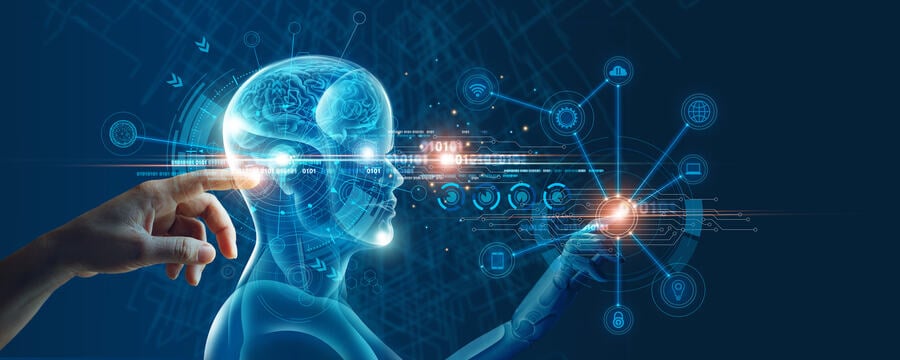
We stand at the precipice of a profound transformation that transcends the digital revolution that has dominated global discourse for the past three decades. The era “beyond digital” is not defined by the absence of technology, but by its seamless integration into human experience—where technology ceases to be the focus and becomes the invisible enabler of deeper human connection, environmental harmony, and conscious evolution. This new epoch moves beyond mere digital transformation to embrace what might be termed “human-centric intelligence,” where artificial intelligence, biological understanding, and environmental awareness converge to create systems that augment rather than replace human potential. As we navigate this transition, we’re witnessing the emergence of technologies and philosophies that prioritize wellbeing, sustainability, and meaningful connection over mere efficiency and productivity. This comprehensive exploration examines the key dimensions of this post-digital era and how they’re reshaping our relationship with technology, each other, and our planet.
A. The Evolution Beyond Digital Paradigms
Understanding how we arrived at this transitional moment reveals the contours of what comes next.
A. The Digital Revolution’s Legacy
What the digital era achieved and where it fell short:
-
Connectivity Achievement: Creating global networks that dissolved geographical barriers to communication and collaboration.
-
Efficiency Optimization: Streamlining processes across industries through automation and data analysis.
-
Information Democratization: Making knowledge accessible to unprecedented portions of the global population.
-
Unintended Consequences: The digital divide, attention economy, privacy erosion, and environmental costs of technology.
B. The Emergence of Post-Digital Values
Shifting priorities driving the next evolutionary phase:
-
From Efficiency to Meaning: Prioritizing purpose and fulfillment over mere productivity.
-
From Global Scale to Local Relevance: Balancing worldwide connectivity with community-specific solutions.
-
From Digital Isolation to Augmented Connection: Using technology to enhance rather than replace human interaction.
-
From Technological Determinism to Human Agency: Ensuring technology serves human values rather than dictating them.
B. Core Principles of the Post-Digital Era
Several fundamental principles distinguish this new era from the digital age that preceded it.
A. Human-Centric Intelligence
Technology designed around human needs and capabilities:
-
Cognitive Augmentation: Systems that enhance human intelligence without replacing human judgment.
-
Emotional Intelligence Integration: Technologies that recognize and respond to human emotional states.
-
Physiological Synchronization: Devices that align with human biological rhythms and needs.
-
Ethical Framework Integration: Built-in ethical considerations guiding technological development and deployment.
B. Ecological Integration
Technology that operates in harmony with natural systems:
-
Biomimetic Design: Solutions inspired by and compatible with natural processes.
-
Circular Economy Technologies: Systems designed for zero waste and continuous material reuse.
-
Regenerative Systems: Technologies that actively improve environmental conditions.
-
Planetary Scale Thinking: Solutions that consider global ecosystem impacts from inception.
C. Conscious Technology
Systems designed with awareness of their broader impacts:
-
Transparent Algorithms: Understandable and accountable artificial intelligence systems.
-
Purpose-Driven Innovation: Technology development guided by clear ethical and social purposes.
-
Mindful Interaction Design: Interfaces that promote healthy usage patterns and digital wellbeing.
-
Cultural Sensitivity: Technologies adapted to diverse cultural contexts and values.
C. Key Technologies Driving the Post-Digital Transition
Specific technological advancements are enabling this shift toward more human-centric and ecologically integrated systems.
A. Ambient Intelligence
Technology that recedes into the background:
-
Ubiquitous Computing: Processing power distributed throughout environments without centralized devices.
-
Calm Technology: Interfaces that engage both the center and periphery of our attention appropriately.
-
Context-Aware Systems: Technologies that adapt to changing situations and needs automatically.
-
Energy-Autonomous Devices: Systems powered by environmental energy harvesting.
B. Bio-Digital Convergence
The integration of biological and digital systems:
-
Biological Computing: Using organic molecules and systems for information processing.
-
Digital-Biological Interfaces: Seamless connections between digital devices and biological organisms.
-
Bio-Sensing Technologies: Using biological processes for environmental monitoring and health assessment.
-
Organic User Interfaces: Interaction systems based on biological materials and principles.
C. Quantum and Neuromorphic Computing
Next-generation computing paradigms:
-
Quantum Machine Learning: Leveraging quantum effects for pattern recognition and optimization.
-
Neuromorphic Chips: Processors that mimic biological neural networks for efficient AI.
-
Probabilistic Computing: Systems that embrace uncertainty and ambiguity like human cognition.
-
Energy-Efficient Processing: Radically reducing the environmental impact of computation.

D. Transformative Impacts Across Sectors
The post-digital transition is reshaping industries and social institutions in fundamental ways.
A. Healthcare Evolution
From treatment to holistic wellbeing:
-
Predictive Health: Anticipating health issues before symptoms appear through continuous monitoring.
-
Personalized Medicine: Treatments tailored to individual genetics, lifestyle, and environment.
-
Community Health Ecosystems: Integrating individual health with community wellbeing.
-
Preventive Lifestyle Design: Using technology to support health-promoting behaviors and environments.
B. Education Transformation
Lifelong, personalized learning journeys:
-
Adaptive Learning Ecosystems: Education that responds to individual learning styles and paces.
-
Experiential Learning Platforms: Combining virtual and physical learning experiences.
-
Mentorship Networks: Connecting learners with human guides and peer communities.
-
Purpose-Driven Education: Learning focused on developing meaningful capabilities and contributions.
C. Economic System Evolution
New models of value creation and distribution:
-
Regenerative Business Models: Companies that generate positive environmental and social impact.
-
Local Production Networks: Distributed manufacturing using advanced fabrication technologies.
-
Value Exchange Diversity: Multiple forms of currency and recognition beyond traditional money.
-
Collaborative Consumption: Shared access to resources reducing overall material footprint.
E. The Social and Psychological Dimensions
The human experience evolves in this new context, with significant implications for psychology and social structures.
A. Evolving Human Identity
How we understand ourselves in a technologically saturated world:
-
Integrated Identity: Blending digital and physical aspects of self into coherent whole.
-
Community Connection: Rediscovering local and interest-based communities enhanced by technology.
-
Digital Mindfulness: Developing awareness and intentionality in technology use.
-
Purpose Clarification: Using technology to support rather than distract from life purpose.
B. New Social Architectures
How we organize and relate to each other:
-
Hybrid Communities: Seamlessly integrating online and offline social interactions.
-
Global-Local Balance: Maintaining worldwide connections while deepening local engagement.
-
Intergenerational Learning: Creating structures for knowledge exchange across age groups.
-
Collaborative Governance: Using technology to enable more participatory decision-making.
F. Case Studies: Pioneering Post-Digital Initiatives
Examining early examples reveals the practical implementation of post-digital principles.
A. The Wellbeing Economy Governments
Nations prioritizing wellbeing over GDP growth:
-
New Zealand’s Wellbeing Budget: Economic policy focused on multidimensional wellbeing indicators.
-
Bhutan’s Gross National Happiness: Long-standing commitment to holistic development metrics.
-
Scotland’s National Performance Framework: Government priorities aligned with quality of life improvements.
-
Iceland’s Work-Life Balance: Policies supporting meaningful living beyond economic output.
B. Regenerative Agriculture Networks
Farming practices that enhance ecosystem health:
-
Digital Ecology Monitoring: Using sensors and AI to optimize natural farming practices.
-
Local Food Networks: Connecting producers and consumers through transparent digital platforms.
-
Soil Carbon Sequestration: Farming methods that combat climate change while producing food.
-
Biodiversity Enhancement: Agricultural systems that increase rather than decrease biological diversity.
C. Conscious Technology Companies
Businesses aligning profit with purpose:
-
Patagonia’s Activism Model: Company advocating for environmental protection while selling outdoor gear.
-
Interface’s Mission Zero: Carpet manufacturer eliminating environmental impact of operations.
-
Ecosia’s Tree-Planting Search: Search engine funding reforestation through advertising revenue.
-
Buffer’s Transparency: Social media company pioneering open salaries and radical transparency.
G. Implementation Challenges and Transition Strategies
Moving beyond digital paradigms presents significant challenges that require thoughtful approaches.
A. Overcoming Digital Dependency
Transitioning from established patterns and infrastructures:
-
Legacy System Integration: Bridging existing digital infrastructure with emerging approaches.
-
Skill Transformation: Developing new capabilities beyond digital literacy.
-
Economic Transition: Shifting business models and revenue streams.
-
Cultural Adaptation: Evolving organizational and social cultures.
B. Ensuring Equitable Access
Preventing new forms of exclusion and inequality:
-
Technology Accessibility: Ensuring post-digital technologies serve diverse populations.
-
Education and Training: Preparing people across socioeconomic spectra for new opportunities.
-
Infrastructure Distribution: Deploying new technologies beyond privileged urban centers.
-
Cultural Relevance: Adapting technologies to different cultural contexts and values.
H. The Future Trajectory and Long-Term Vision
The post-digital era continues evolving toward increasingly integrated and conscious systems.
A. Emerging Technological Frontiers
Next waves of innovation building on current trends:
-
Symbiotic Intelligence: Human-AI collaboration creating new forms of problem-solving.
-
Bio-Digital Harmony: Seamless integration of biological and technological systems.
-
Conscious AI Development: Artificial intelligence with built-in ethical frameworks.
-
Quantum-Biological Interfaces: Connecting quantum computing with biological processes.
B. Evolving Human Potential
How human capabilities expand in this new context:
-
Enhanced Creativity: Technology amplifying human imaginative and innovative capacities.
-
Deeper Connection: Tools fostering more meaningful relationships and community bonds.
-
Expanded Consciousness: Technologies supporting meditation, mindfulness, and self-awareness.
-
Collective Intelligence: New forms of group problem-solving and creation.
Conclusion: The Emergence of Conscious Evolution
The era beyond digital represents not an abandonment of technology, but its maturation into a force that serves humanity’s highest potential and planetary wellbeing. This transition marks a shift from seeing technology as an end in itself to understanding it as a means toward more meaningful, connected, and sustainable ways of living. The most successful individuals, organizations, and societies in this new era will be those who can harness technological capabilities while maintaining clear focus on human values, ecological balance, and purposeful existence.
This emerging epoch invites us to reconsider fundamental questions about what constitutes progress, how we define success, and what kind of future we want to create. It challenges us to move beyond the either/or thinking that often characterizes discussions about technology—either embracing it uncritically or rejecting it entirely—toward more nuanced approaches that recognize technology’s potential while consciously directing it toward beneficial outcomes.
The journey beyond digital is ultimately a journey toward greater consciousness—in our technology, our businesses, our communities, and ourselves. It represents an opportunity to create a future where technology enhances rather than diminishes our humanity, where innovation serves both people and planet, and where progress is measured not just by what we can do, but by how meaningfully and sustainably we live. The tools are emerging; the challenge now is to develop the wisdom to use them well.
Tags: Post-Digital Era, Human-Centric Technology, Conscious Evolution, Sustainable Innovation, Future Trends, Technology Ethics, Digital Transformation, Human Potential, Ecological Integration, Conscious Business