Digital Interactions Shape Physical Reality

The Blurring Boundaries Between Digital and Physical
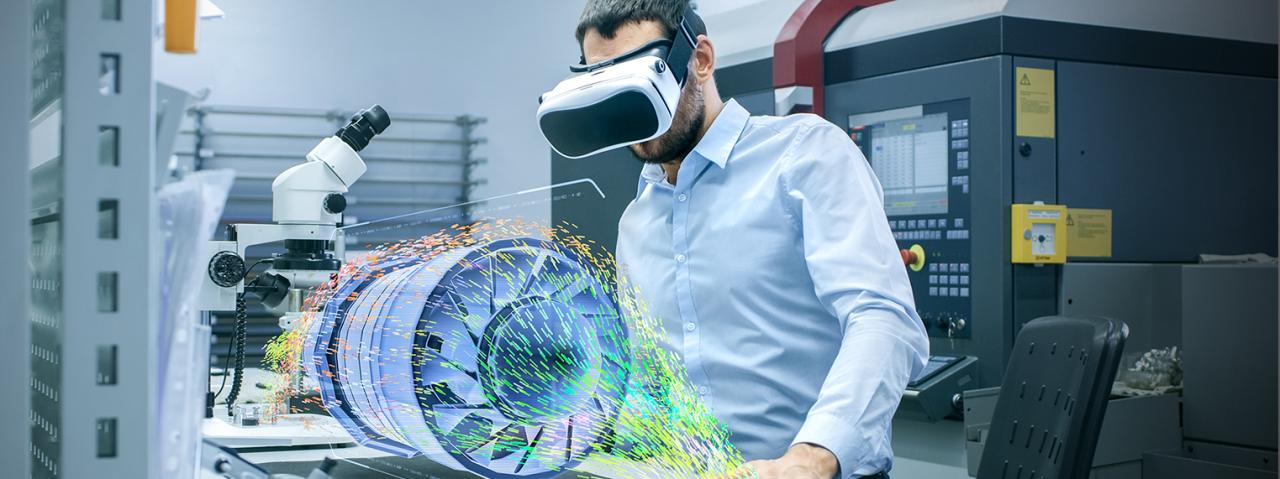
We stand at a pivotal moment in human experience where the distinction between digital and physical reality is becoming increasingly seamless. What begins as digital information—algorithms, data streams, virtual interactions—increasingly manifests as tangible impacts in our physical world. This convergence is transforming everything from how we build cities to how we manage our health, create art, and conduct business. The phenomenon of digital turning real represents more than technological advancement; it signifies a fundamental restructuring of human experience and environmental interaction. As digital creations gain physical substance and physical objects acquire digital intelligence, we’re witnessing the emergence of hybrid environments that challenge our traditional understanding of reality itself. This comprehensive exploration examines how digital innovations are materializing in physical forms, creating new opportunities and challenges across every aspect of modern life.
A. The Technological Foundation Enabling Digital-Physical Integration
Multiple converging technologies are creating the infrastructure for seamless digital-physical interaction.
A. Internet of Things (IoT) Ecosystem
The network of connected devices forming a digital nervous system for physical spaces:
-
Sensor Technology Advancement: Miniaturized, affordable sensors detecting everything from temperature and motion to air quality and occupancy patterns.
-
Edge Computing Infrastructure: Processing data closer to its source enables real-time physical responses to digital information.
-
Wireless Connectivity Proliferation: 5G and emerging networks providing the bandwidth and reliability for continuous digital-physical communication.
-
Energy Harvesting Solutions: Devices that power themselves from environmental sources, reducing maintenance and increasing deployment flexibility.
B. Artificial Intelligence and Machine Learning
The cognitive layer translating digital data into physical actions:
-
Computer Vision Systems: Digital image analysis enabling physical systems to “see” and interpret their environments.
-
Natural Language Processing: Converting human speech into actionable commands for physical systems.
-
Predictive Analytics: Anticipating physical needs and behaviors based on digital pattern recognition.
-
Autonomous Decision-Making: Systems that initiate physical actions without human intervention based on digital analysis.
C. Digital Fabrication and Robotics
Technologies that transform digital designs into physical objects:
-
Additive Manufacturing: 3D printing that converts digital models into physical products across scales from micro-components to buildings.
-
Robotic Assembly Systems: Machines that physically construct what digital systems design.
-
Computer-Numerical Control (CNC): Precision manufacturing guided by digital instructions.
-
Smart Material Integration: Substances that can change physical properties based on digital commands.
B. Sector Transformations: Digital Concepts Becoming Physical Reality
The digital-to-physical transformation is occurring across multiple industries simultaneously.
A. Urban Environment and Smart Cities
Digital planning creating smarter physical infrastructure:
-
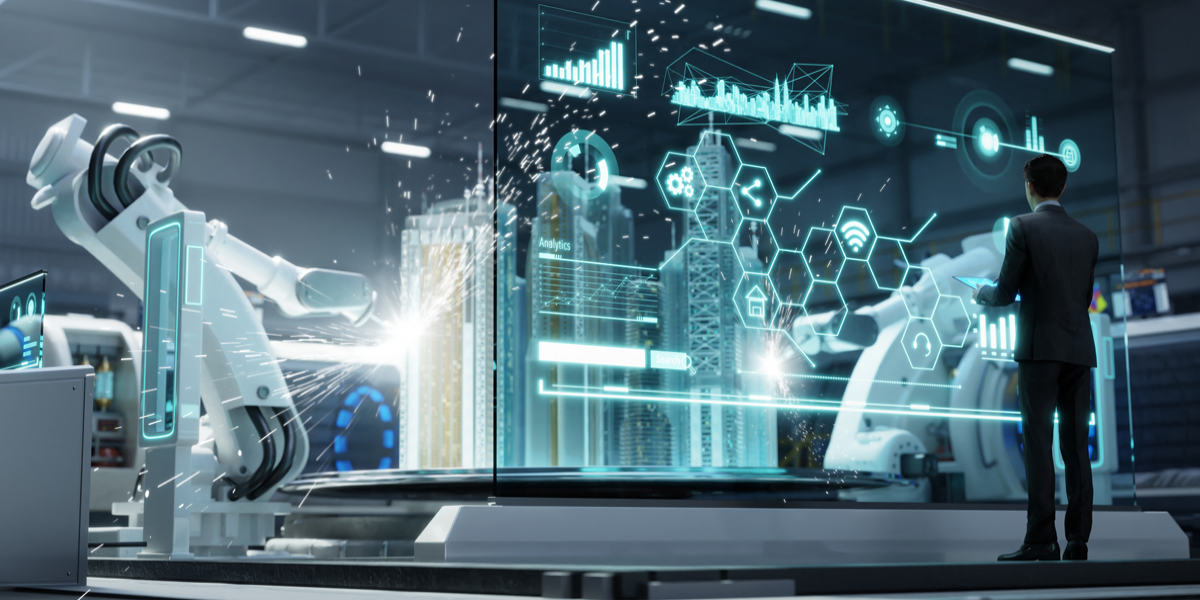
Digital Twin Implementation: Virtual replicas of cities that inform physical planning and management decisions.
-
Adaptive Infrastructure: Physical systems that modify their operation based on digital data streams.
-
Intelligent Transportation: Physical mobility systems coordinated through digital platforms.
-
Responsive Public Spaces: Environments that physically reconfigure based on digital usage patterns and needs.
B. Healthcare and Medical Innovation
Digital health concepts manifesting as physical treatments:
-
Personalized Medicine 3D Printing: Custom medical implants and devices fabricated from digital patient data.
-
Digital Diagnosis to Physical Intervention: AI analysis leading directly to surgical or treatment actions.
-
Wearable Health Monitoring: Physical devices that track health metrics and digitally communicate with healthcare providers.
-
Telemedicine Physical Integration: Remote consultations triggering physical prescriptions, equipment delivery, or local treatment.
C. Manufacturing and Industry 4.0
The digital factory becoming physical reality:
-
Smart Production Lines: Physical manufacturing systems that adapt in real-time to digital supply chain information.
-
Predictive Maintenance: Digital analytics triggering physical maintenance before equipment failures occur.
-
Digital Inventory Management: Virtual stock monitoring automatically initiating physical restocking processes.
-
Customized Mass Production: Digital customer inputs driving physical manufacturing of personalized products.
C. The Consumer Experience: When Digital Becomes Tangible
Everyday experiences are transforming as digital interactions yield physical outcomes.
A. Retail and Commerce Evolution
The seamless journey from digital browsing to physical possession:
-
Augmented Reality Shopping: Digital product visualization informing physical purchase decisions.
-
Social Commerce to Physical Delivery: Social media inspiration translating to physical product receipt.
-
Digital Personalization Physical Manifestation: Online preferences shaping custom-manufactured physical products.
-
Virtual Try-On to Physical Purchase: Digital fitting experiences leading to confident physical buying decisions.
B. Entertainment and Media
Digital content creating physical experiences:
-
Virtual Reality Physical Effects: Immersive digital environments that cause genuine physical sensations and reactions.
-
Location-Based Entertainment: Digital storytelling manifested in physical interactive spaces.
-
Digital Content Physical Merchandising: Online media franchises generating physical products and experiences.
-
Interactive Installation Art: Digital creations that respond physically to human presence and interaction.
C. Home and Living Environments
The smart home concept becoming physical reality:
-
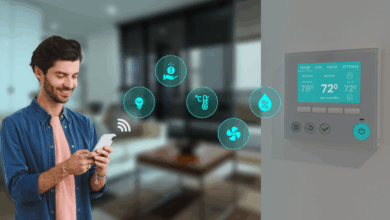
Voice Command to Physical Action: Digital assistants controlling physical home systems.
-
Digital Ecosystem Physical Integration: Seamless operation between digital platforms and physical home devices.
-
Predictive Home Management: Digital algorithms anticipating needs and adjusting physical home environments.
-
Remote Digital Control: Virtual management of physical home functions from anywhere.
D. Case Studies: Successful Digital-to-Physical Implementations
Examining real-world examples reveals the strategies and technologies driving successful integration.
A. Amazon’s Physical Retail Transformation
Digital commerce giant creating physical presence:
-
Amazon Go Stores: Digital shopping experience eliminating physical checkout processes.
-
Alexa Smart Homes: Digital assistant integrated into physical living environments.
-
Whole Foods Integration: Digital platform optimizing physical grocery operations.
-
Amazon Fresh: Online grocery concepts manifesting as physical stores.
B. Tesla’s Digital-First Automotive Approach
Software-defined vehicles with physical impact:
-
Over-the-Air Updates: Digital improvements enhancing physical vehicle performance.
-
Autonomous Driving Development: Digital intelligence controlling physical vehicle operation.
-
Manufacturing Innovation: Digital production methods creating physical automotive advances.
-
Energy Ecosystem: Digital management of physical energy storage and distribution.
C. Nike’s Digital-to-Physical Product Innovation
Sporting goods company blending digital and physical:
-
Nike Fit Technology: Digital foot scanning informing physical shoe manufacturing.
-
App-Connected Products: Physical gear enhanced by digital performance tracking.
-
Custom Shoe Platform: Digital design tools enabling physical product personalization.
-
Retail Experience Transformation: Digital integration enhancing physical store experiences.
E. The Infrastructure Enabling Seamless Transition
Behind every successful digital-to-physical implementation lies robust supporting infrastructure.
A. Connectivity and Networks
The invisible framework enabling digital-physical interaction:
-
5G and Beyond: High-speed, low-latency networks supporting real-time digital-physical integration.
-
Mesh Networking: Distributed networks ensuring reliable coverage across physical spaces.
-
Satellite Internet: Global connectivity reaching previously isolated physical locations.
-
Low-Power Wide-Area Networks: Specialized connectivity for distributed IoT devices.
B. Data Processing and Analytics
The intelligence converting digital information to physical action:
-
Cloud Computing Infrastructure: Scalable processing power for digital-physical systems.
-
Edge Computing Capabilities: Local processing enabling immediate physical responses.
-
AI Processing Platforms: Specialized hardware accelerating machine learning applications.
-
Data Fusion Systems: Integrating multiple digital sources to inform physical actions.
F. Challenges and Implementation Considerations
Successfully navigating the digital-to-physical transformation requires addressing significant challenges.
A. Technical Integration Complexities
Bridging digital and physical systems effectively:
-
Interoperability Standards: Ensuring diverse digital and physical systems can communicate and cooperate.
-
Legacy System Integration: Connecting new digital capabilities with existing physical infrastructure.
-
Scalability Management: Maintaining performance as digital-physical systems grow.
-
Reliability Engineering: Ensuring physical systems respond consistently to digital commands.
B. Human Factors and Adoption Barriers
Addressing the human dimension of digital-physical integration:
-
User Experience Design: Creating intuitive interfaces between digital inputs and physical outputs.
-
Trust Building: Establishing confidence in systems where digital decisions create physical consequences.
-
Skill Development: Preparing people to work effectively in digital-physical hybrid environments.
-
Privacy Protection: Managing personal data that informs physical system behavior.
G. Future Trends and Emerging Opportunities
The digital-to-physical transformation continues evolving with new technologies and applications.
A. Next-Generation Interfaces
More seamless ways for digital and physical to interact:
-
Brain-Computer Interfaces: Direct neural connections between human thought and physical system control.
-
Haptic Feedback Evolution: Advanced tactile sensations making digital interactions feel more physically real.
-
Ambient Computing: Digital intelligence embedded so seamlessly in physical environments that it becomes invisible.
-
Multisensory Integration: Engaging all human senses in digital-physical experiences.
B. Advanced Material Science
Physical substances with digital capabilities:
-
Programmable Matter: Materials that can change physical properties based on digital commands.
-
Self-Assembling Structures: Physical objects that organize themselves based on digital instructions.
-
4D Printing: 3D printed objects that transform physically over time in response to digital triggers.
-
Bio-Digital Hybrids: Biological materials integrated with digital capabilities.
H. Strategic Implications for Organizations
Preparing for continued digital-physical convergence requires strategic adaptation.
A. Organizational Capability Development
Building the skills and structures for digital-physical success:
-
Cross-Disciplinary Teams: Combining digital expertise with physical domain knowledge.
-
Agile Development Approaches: Rapid iteration between digital concepts and physical prototypes.
-
Partner Ecosystem Development: Collaborating across the digital-physical value chain.
-
Continuous Learning Culture: Constantly updating skills as technologies evolve.
B. Business Model Innovation
Creating value in digital-physical hybrid markets:
-
Phygital Service Platforms: Integrating digital convenience with physical experience.
-
Outcome-Based Business Models: Selling results rather than products or services.
-
Data-Enabled Physical Products: Creating value through digital services connected to physical goods.
-
Hybrid Experience Design: Blending digital and physical customer journeys seamlessly.
Conclusion: The Emerging Digital-Physical Reality
The transformation of digital concepts into physical reality represents one of the most significant developments of our time. This convergence is creating new possibilities for human experience, economic value creation, and environmental management while challenging traditional boundaries between virtual and actual. The most successful organizations and individuals will be those who understand how to navigate this hybrid landscape, leveraging digital capabilities to enhance physical outcomes while maintaining the unique value of tangible experience.
As technology continues advancing, the line between digital and physical will become increasingly blurred, eventually becoming essentially meaningless. We’re moving toward a world where digital intelligence and physical form are seamlessly integrated, creating environments, products, and experiences that are simultaneously computational and tangible. This future will require new ways of thinking, working, and creating value—but promises unprecedented opportunities to shape our world in ways that enhance both human flourishing and planetary health.
The journey from digital to real is just beginning, and its ultimate implications may be beyond our current imagination. What’s clear is that the organizations, communities, and individuals who master this transition will shape the future in profound ways, creating a world where our digital visions become our physical reality in increasingly sophisticated and beneficial forms.
Tags: Digital Transformation, Physical Computing, IoT Technology, Smart Environments, Digital Innovation, Technology Integration, Future Trends, Business Strategy, Digital-Physical Convergence, Technology Impact